Best Electric Scooters: The Full Ranked Catalog
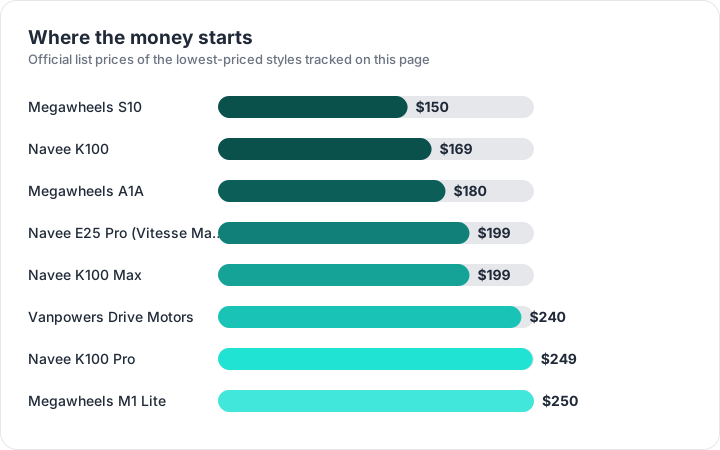
This catalog lists every electric scooter model we track across all monitored brands, sorted by official list price. It is a price-first directory, not a spec sheet: use it to compare where models sit in the market and then open individual pages for verified details. Prices change, so treat list price as a starting point rather than the final cost.
Showing all 156 models currently tracked in this catalog, sorted by official list price. Jump to a tier: Under $500 · $500 - $1,000 · $1,000 - $2,000 · $2000 and up
Under $500 - top picks
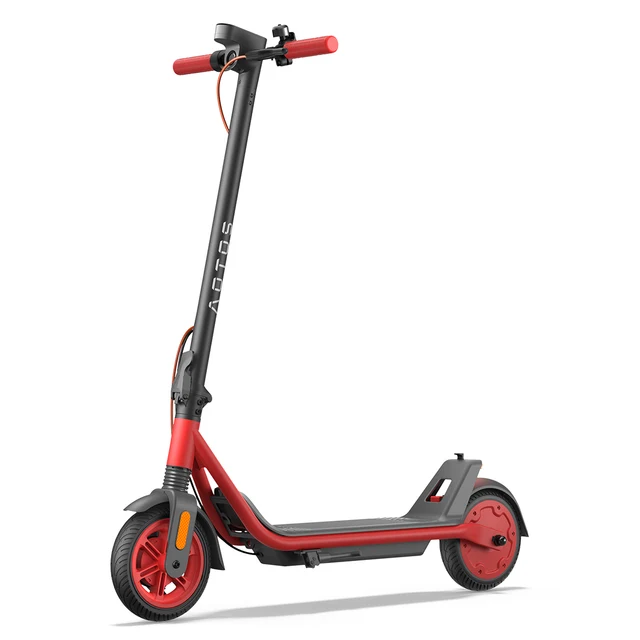
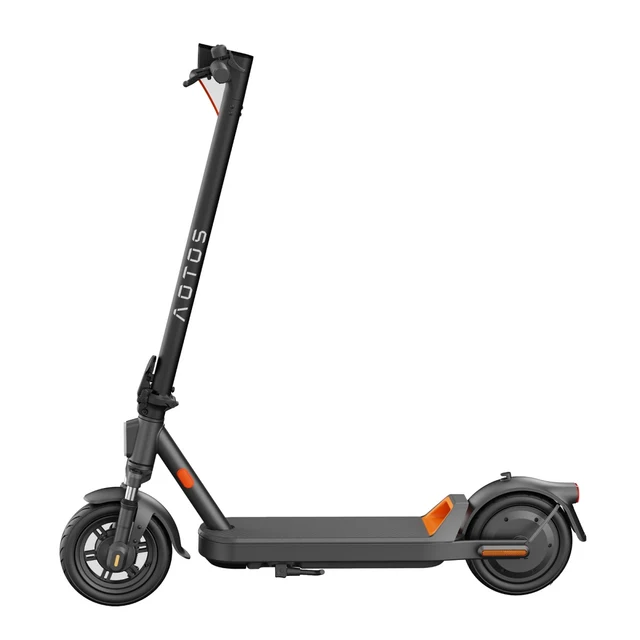
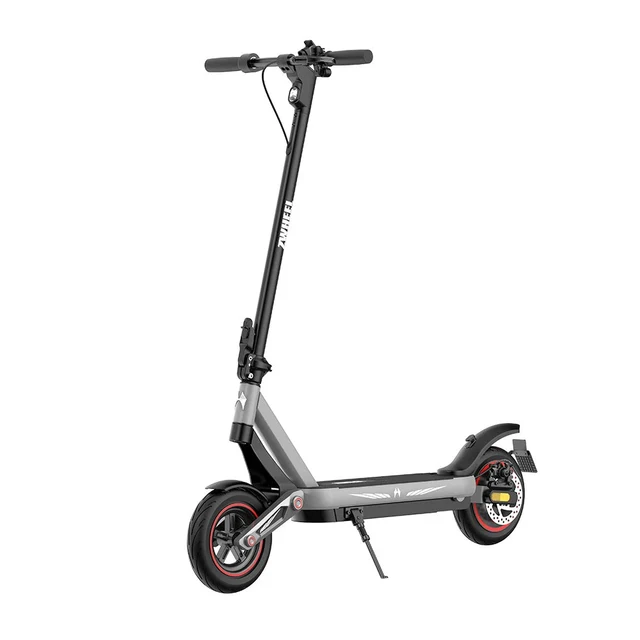
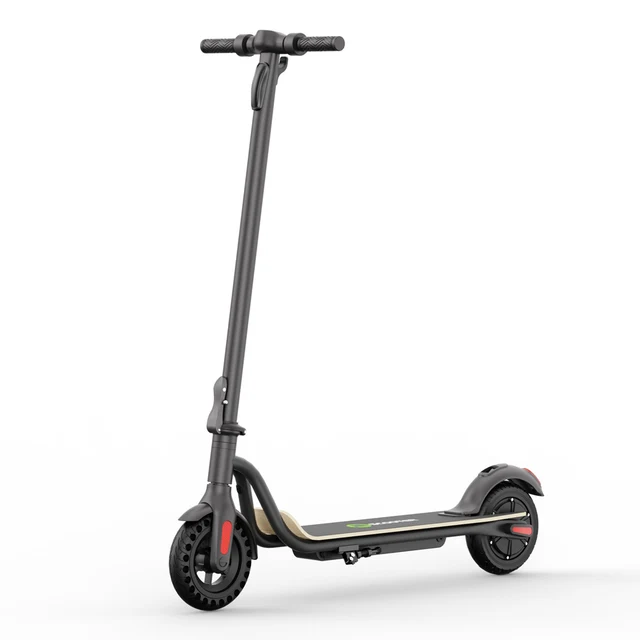
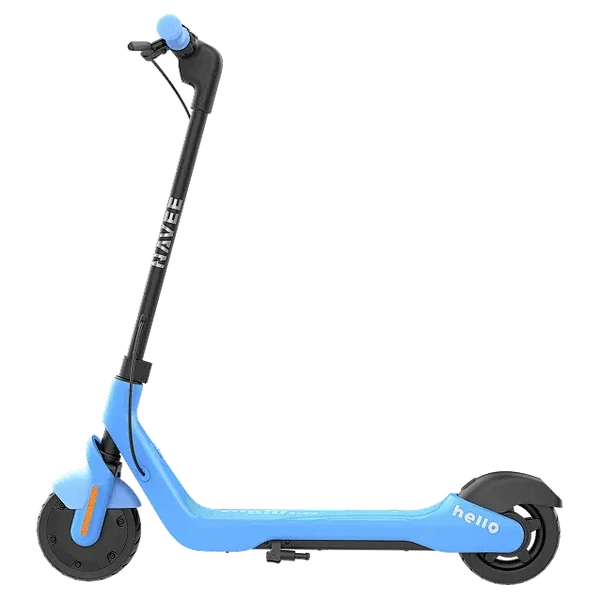
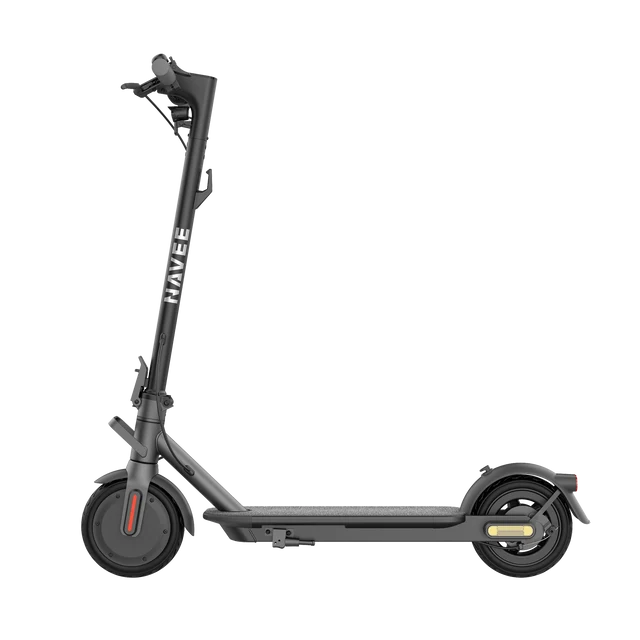
$500 - $1,000 - top picks
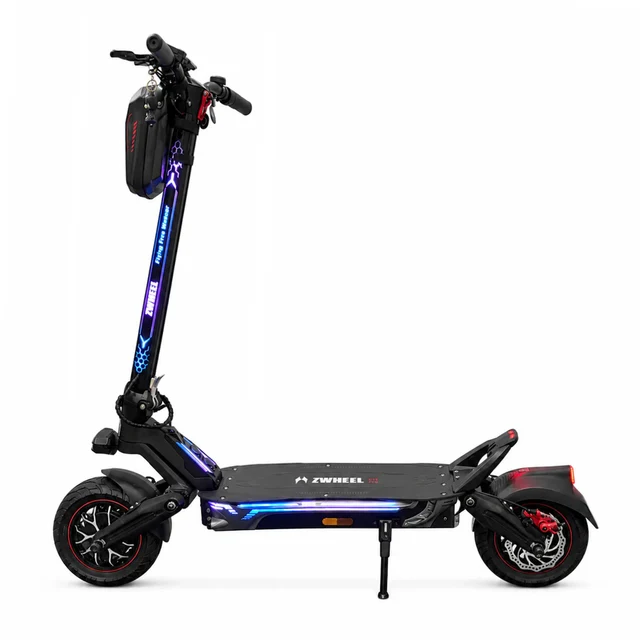
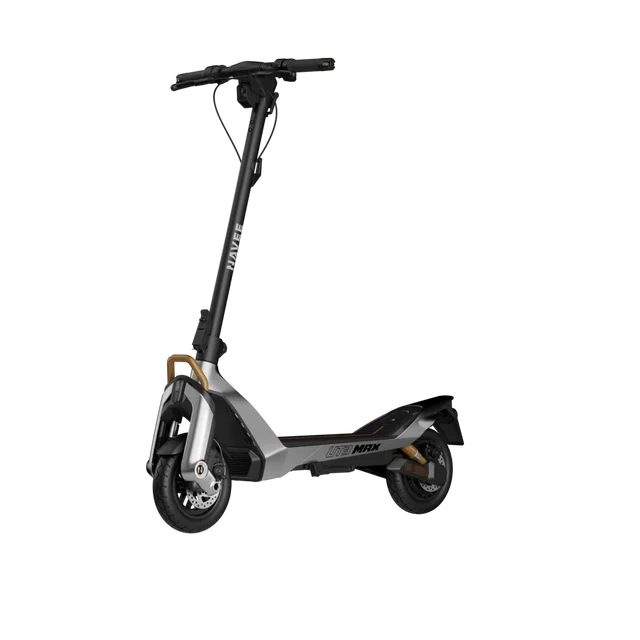
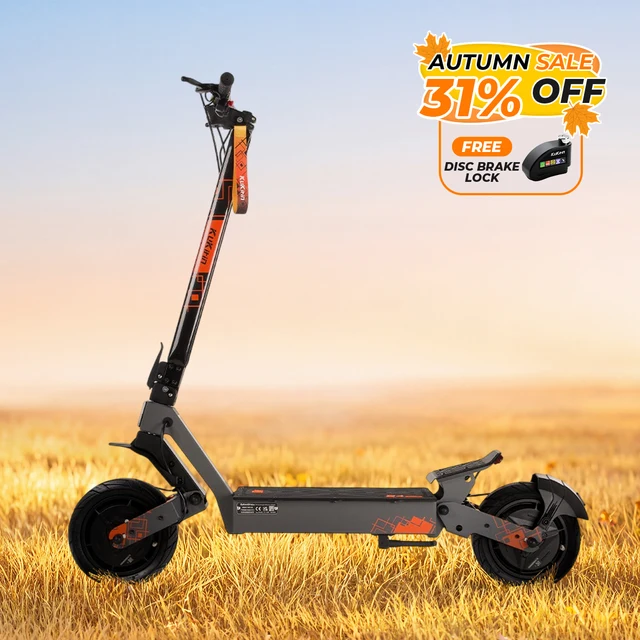
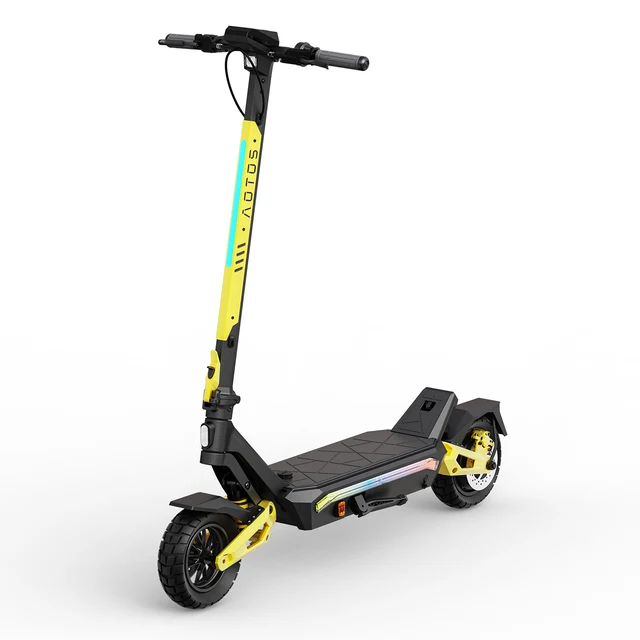
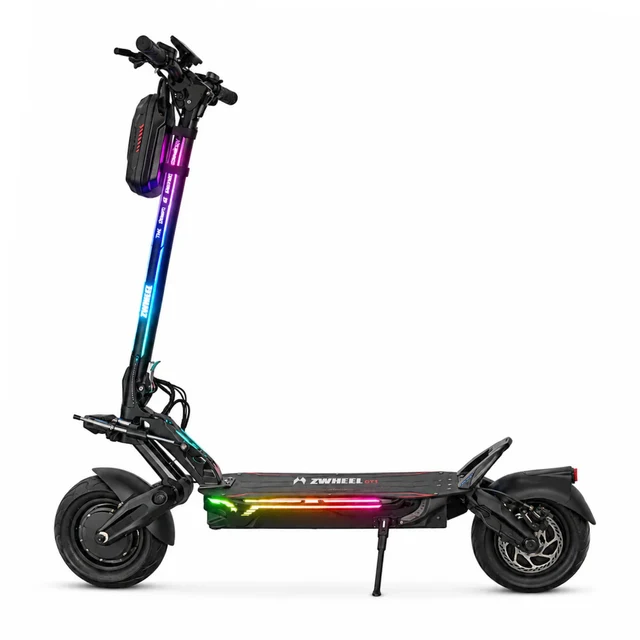
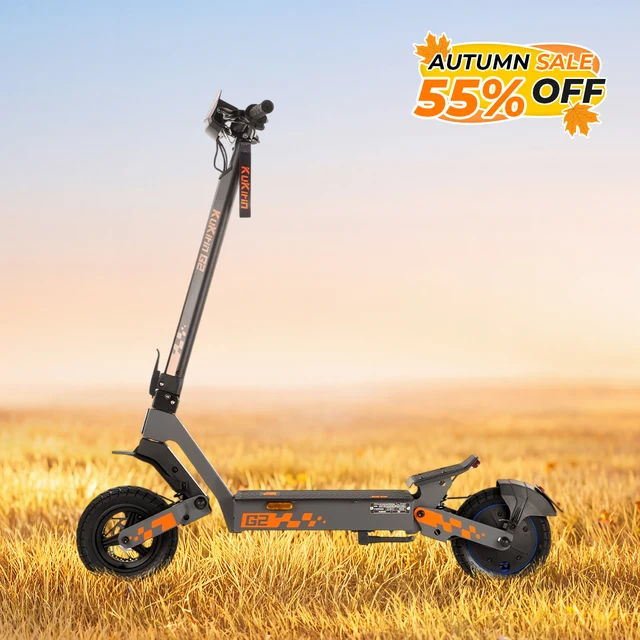
$1,000 - $2,000 - top picks
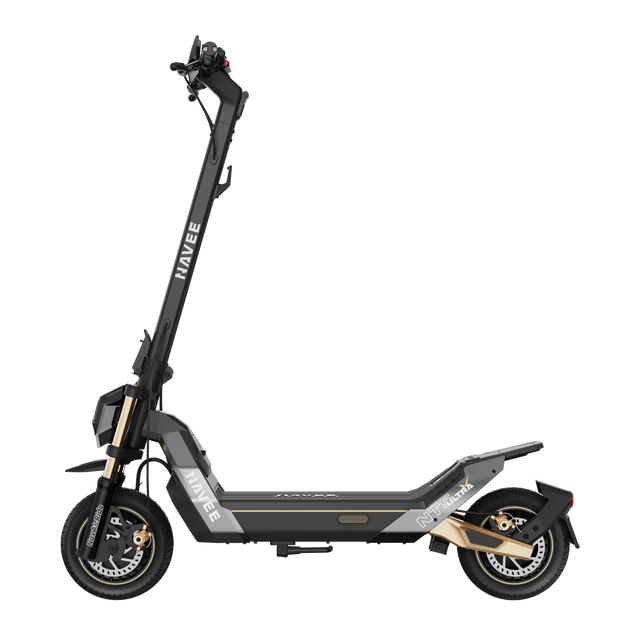
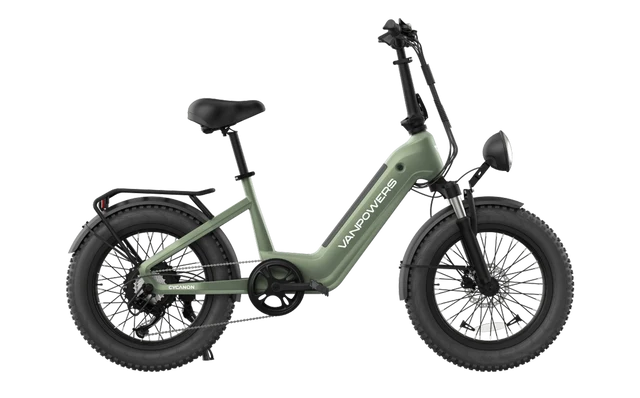
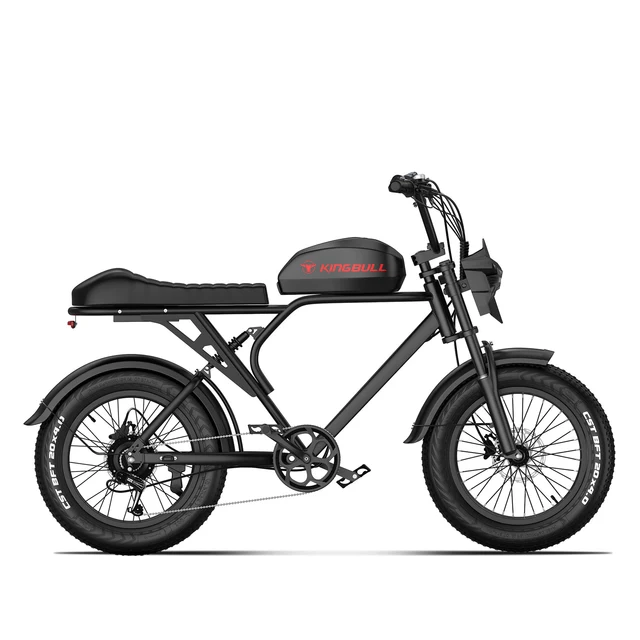
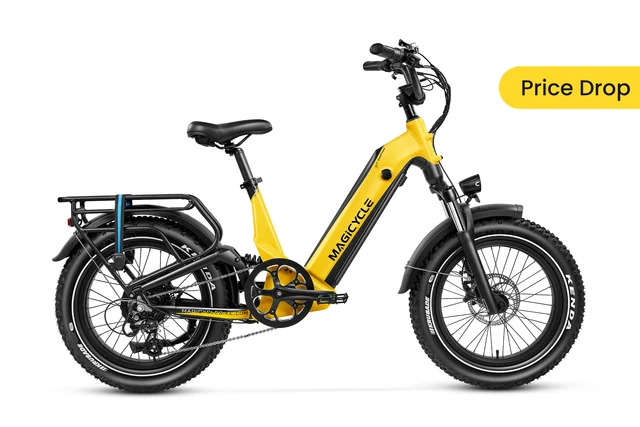
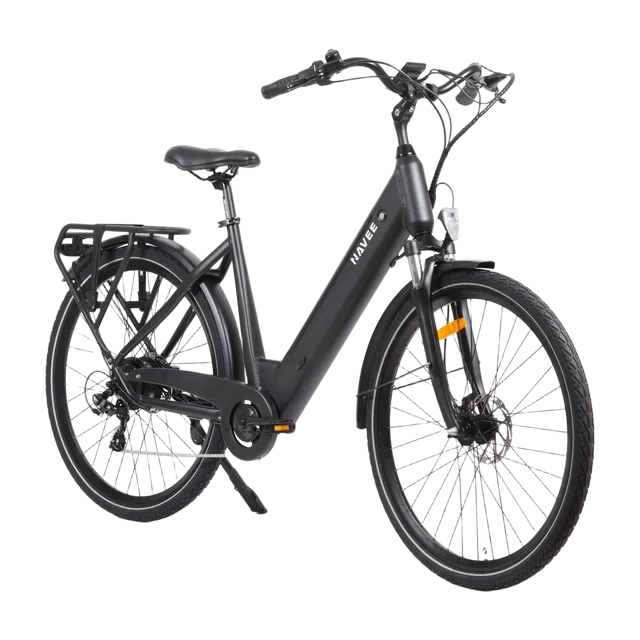
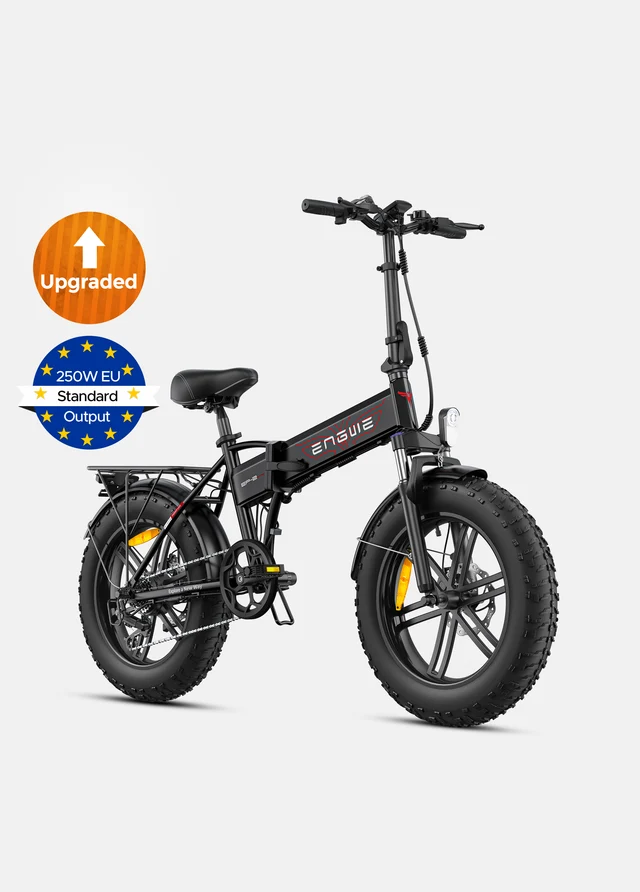
$2000 and up - top picks
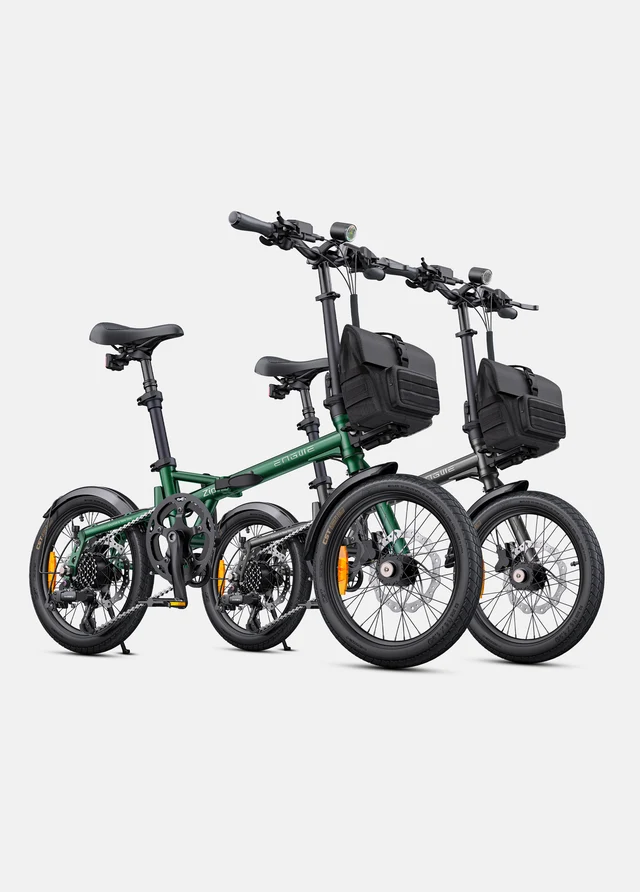
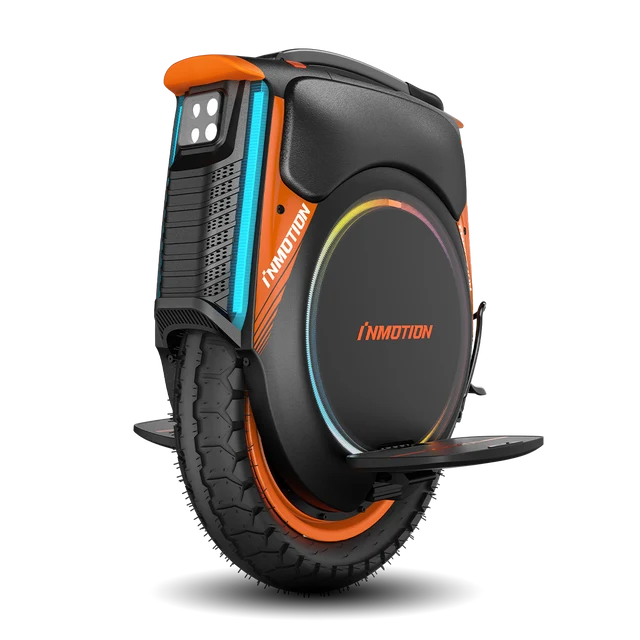
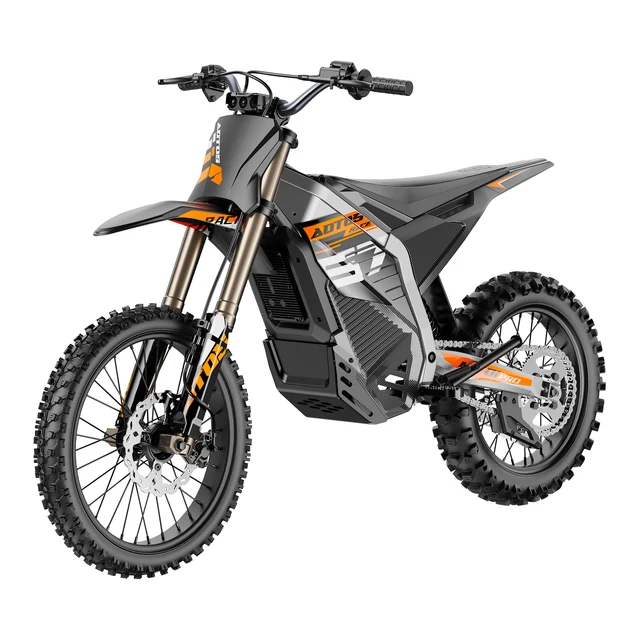
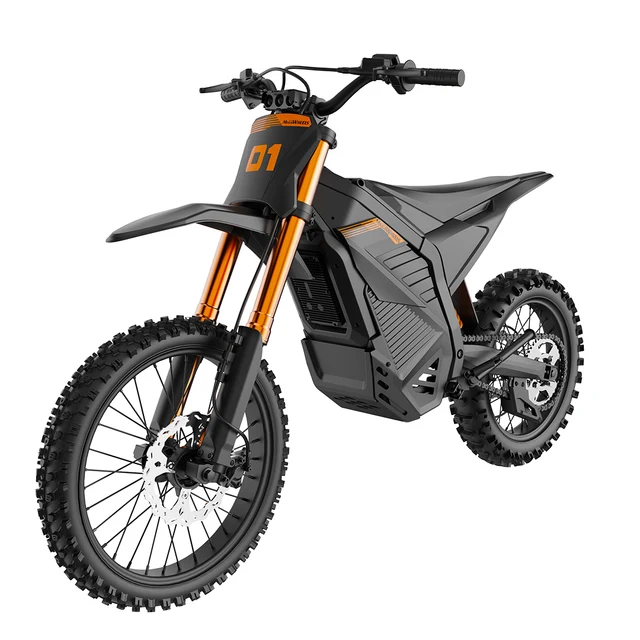
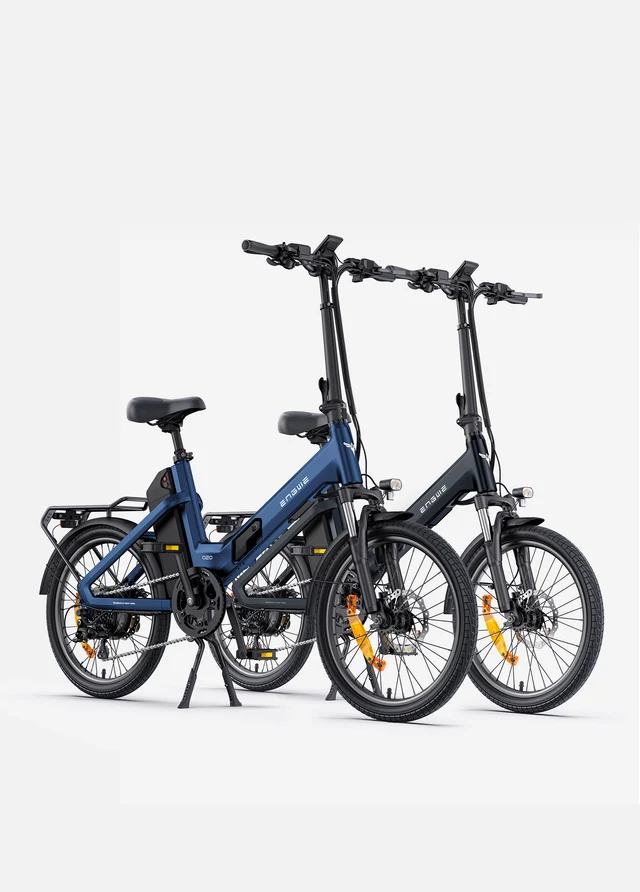
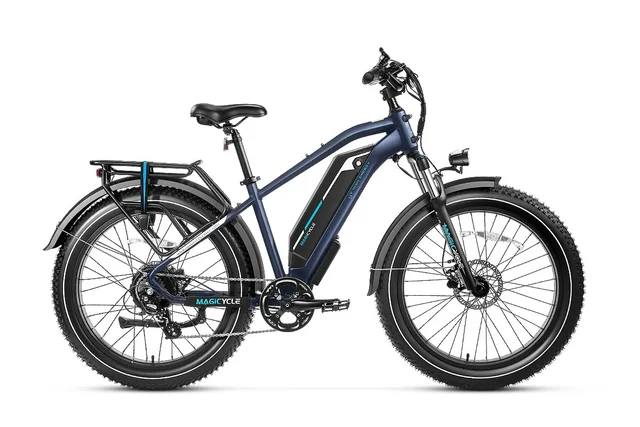
How to Use Price Tiers When Comparing
Start by grouping models into entry, mid, and premium tiers based on official list price. The exact cutoffs shift as new models launch and old stock clears, so use relative position in the catalog rather than fixed dollar labels. Within a tier, compare release date, brand support, weight limits, folded size, and warranty terms from verified listings. Do not assume a higher price automatically means better real-world performance; it often reflects battery size, motor type, build materials, or brand positioning. Sort by price ascending to spot outliers. A model priced near the top of a tier may compete with the bottom of the next tier, so check adjacent rows. Use tiers to narrow your shortlist, then verify specs on each model page.
What the Catalog Price Band Realistically Delivers
Entry-level list prices usually buy basic transport: shorter practical range, lower top speeds, simpler brakes, and fewer app features. Mid-tier models tend to add better components, more robust folding mechanisms, and more consistent quality control. Premium models often focus on performance, comfort, and after-sales support, but diminishing returns are real. Because we do not publish unverified specs, use each model page to confirm range, speed, motor, and battery details. The catalog only tells you where a scooter sits by official price. A higher price can mean stronger construction, a larger battery, or brand premium, but not always. Match the band to your actual commute distance, terrain, storage, and carrying needs. If your ride is short and flat, an entry model may be enough. If you face hills or rough roads, a mid-tier or premium model may justify the cost.
Why Official List Price Is Not Street Price
The catalog sorts by official list price, but that is not always what you pay. Retailers discount, bundle accessories, or charge shipping. Sales tax and import duties can vary by region. A model with a high list price may sell below a cheaper model after promotions. Use list price for fair model-to-model positioning, then check current checkout totals. Also watch for discontinued models: their list price may be historical, while stock and support are limited. If two models are close in list price, compare final delivered cost, warranty length, and spare-part availability. The lowest price is not the best deal if you cannot get brakes, tires, or a charger later. Always confirm the exact variant, because one brand may sell several versions under a similar name.
How to Read the Ranked Catalog
Every row is one tracked model. The default order is official list price from lowest to highest, so budget options appear first and premium options last. Use filters or search to narrow by brand, release year, or price tier. The catalog intentionally avoids unverified performance numbers; it shows only verified price and release data. Where a model has multiple versions, check the exact variant name before comparing. Click through to individual pages for sourced specs and reviews. If a model is missing, it is either not tracked yet or has no verified official price. Treat the ranking as a starting point for research, not a final buying recommendation. Recheck prices often, because list prices and availability change throughout the year.
Buying Mistakes to Avoid
Do not buy on price alone. A cheap scooter that lacks local support can cost more over time. Do not assume more expensive means faster or longer range; verify the actual model page. Avoid buying the first row you see without checking weight limits, folded dimensions, and tire type. Do not ignore battery regulations for apartments, trains, or airlines. Do not skip warranty and return-window details. Do not compare list prices across regions without checking voltage, plug type, and speed restrictions. Finally, do not chase peak claims: look for verified range and speed data. If a deal seems far below the catalog price, check whether it is a different variant, refurbished, or missing accessories.
When to Wait and When to Buy
Timing matters because scooter prices move with new releases, seasonal sales, and stock clearance. If you need a specific model now and it fits your verified needs, waiting for a small discount is usually not worth missing rides. If you are flexible, watch the catalog for a few weeks and compare list price against checkout price. New models often push older versions down, especially in the mid and premium tiers. Avoid buying right before a major release cycle unless the discount is strong. For entry-level scooters, sales are common, so a short wait can help. For premium models, check whether the brand has a local service network before chasing a lower price from an overseas seller.
FAQ
Does the catalog show range, top speed, or motor wattage?
No. This catalog page only sorts tracked models by official list price and verified release data. It does not publish unverified specs for specific models. For range, top speed, motor wattage, battery capacity, and weight limits, open the individual model page where those details are sourced and dated. This keeps the ranking honest and prevents spec inflation from influencing price comparisons.
Why are models sorted by list price instead of best performance?
List price is the most consistent, verifiable number across brands and regions, so it creates a neutral starting point. Performance claims vary by test conditions, rider weight, terrain, and firmware. Sorting by price lets you compare market position first, then judge performance on each model page using verified data. It also helps you spot value outliers within a tier.
What price tier should a first-time buyer choose?
Most first-time buyers should start with the entry or lower-mid tier and confirm the scooter fits their actual commute, storage, and carrying needs. Premium models make sense only if you need longer verified range, better suspension, or stronger local support. Do not stretch your budget for features you cannot verify. Use the catalog to shortlist two or three models, then compare final checkout cost and warranty.
Can a higher list price guarantee better quality?
No. A higher list price often reflects brand positioning, larger battery, premium materials, or extra features, but it does not guarantee better reliability or support. Some mid-tier models outperform premium ones in real use, while some expensive models have weak spare-part availability. Compare verified specs, warranty terms, service network, and return policy before assuming price equals quality.
We may earn a commission if you buy through links on this page - at no extra cost to you. Prices are updated daily and can change without notice - always confirm the final price on the official store before you order.